
Rebuilding Strength A Quiet Story of Lean and the People Who Lived It
Presented at the True North Lean CXO Summit in Vietnam
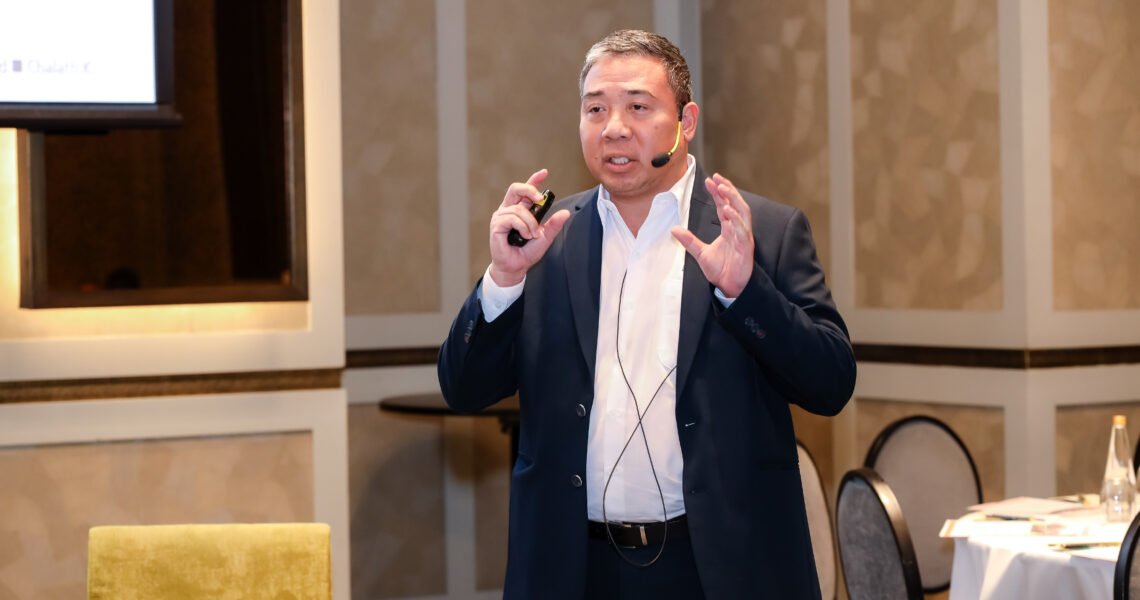
There are stories that come dressed in numbers and charts. Then there are stories that arrive quietly and stay with people long after the session ends. When Chalath Kongsuwan spoke in Vietnam during the True North Lean CXO Summit, his story felt like that. It did not try to impress anyone with complicated jargon. It felt more like a leader looking back on something his team went through together, a moment that changed the way they understood their work and one another.
Chalath leads a large aerospace component facility in Thailand, a place where precision is not optional and delays affect aircraft manufacturers around the world. His experience runs deep, but even years in this industry do not prepare anyone for the shock of a sudden fire. It happened in 2023. One moment the plant was full of movement and rhythm, and the next the entire atmosphere changed. The kind of stillness that follows an unexpected event is something people remember for a long time.
The Turning Point
After the fire, many expected long downtime. Yet what happened next surprised even those inside the organisation. The team did not sink into uncertainty. They moved. Slowly at first, almost cautiously, and then with more confidence. What could have been a long recovery became one of the quickest the company had ever seen. Chalath described that period with a kind of calm appreciation. He remembered the faces of his team members, how they gathered without being asked, how small groups formed on their own to inspect areas, plan tasks or simply reassure each other. Lean was not a theory in that moment. It was a behaviour that rose naturally.
The People Behind the Structure
In the months that followed, the organisation created groups to guide the transformation. A committee helped keep the direction steady, but the real spark came from the people inside those groups. They were not chosen for their titles as much as for their willingness to step forward. Some focused on standard work, others on technical issues, others on communication. What mattered was that they supported each other. Something shifted. Teams that usually worked in separate sections began showing up in one another’s areas, asking questions, suggesting ideas and learning small details they never paid attention to before.
It felt less like a formal structure and more like a community taking shape.
Looking Closely at the Work
Before improvement began, everyone spent time looking closely at the entire flow of work. People walked through the plant with a different kind of attention. They stood longer near machines. They watched how materials moved, how waiting built up silently, and how small obstacles grew into bigger delays. What they saw changed the way they felt about improvement. It was no longer something introduced from outside. It became something they wanted to fix because they saw how much potential was being lost.
For many employees, this was the first time they truly saw their workplace from edge to edge, not just the area they were responsible for.
Small Wins That Built Confidence
Once they started improving, progress came from many directions. Some teams found ways to make cutting output smoother. Others worked on machine effectiveness in forging. Quality teams looked at how to reduce rework. Set up teams focused on reducing changeover time. Etching and finishing teams looked for places where small delays added up. None of these improvements looked dramatic on their own. But together they created a rhythm of progress.
The atmosphere changed. People who had never spoken much started offering suggestions. Younger staff stepped up. Supervisors stopped sounding like supervisors and more like guides. That was when the transformation really rooted itself.
Daily Habits That Held Everything Together
What truly moved the culture forward were the habits that formed. The plant started its mornings by gathering around simple boards that showed what was happening that day. Conversations were short and honest. People pointed out what went well, what looked worrying, and what needed someone’s attention. Leaders walked the floor not to check compliance but to understand the work. They asked questions, listened and helped remove obstacles that slowed people down.
A cleaning day also took place. It was not just about sweeping or rearranging shelves. It was a moment when everyone stopped thinking of the plant as separate sections and began to see it as one shared space. That day mattered more than many realised. It connected people in a quiet, genuine way.
A Thought That Stayed With Every Listener
At the summit in Vietnam, one sentence from Chalath stayed with the audience. He said that tools may improve a process, but only a shift in mindset changes an organisation. There was a stillness in the room when he said it. It sounded simple, almost too simple, but it felt true. After all, the story he told was not about perfect implementation. It was about people who decided to move forward even when the situation felt heavy.
His message reminded everyone that Lean begins with people who care enough to look honestly at their work and at themselves.
A Workplace Renewed by Its Own People
Today the plant in Thailand stands stronger than before the fire. The recovery built a deeper kind of unity. People who once saw their roles as separate now see themselves as part of one shared effort. Communication flows easier. Collaboration feels natural. New ideas do not need encouragement to appear. They come on their own.
The transformation is not a finished chapter. It continues, evolving with each conversation and each new problem that emerges. And that is perhaps the most powerful sign of all. A Lean journey is never complete. It grows as the people grow.
A Story With Lessons Beyond One Plant
Many leaders left the summit remembering not the technical details but the emotional truth of Chalath’s account. It showed that resilience grows fastest when people trust each other. It showed that culture forms not through formal announcements but through shared experiences. It showed that a crisis can reveal strengths no one noticed before.
Most importantly, it showed that Lean has always been a human story long before it became a professional discipline.
Still Growing Still Learning
The team in Thailand continues to move forward with quiet confidence. They are not chasing perfection. They are building consistency, understanding and a culture where improvement belongs to everyone. The work feels lighter because they carry it together.
This is why the story touched so many people in Vietnam. It was not grand. It was not dressed in complex terminology. It was simply real. It was the story of people who faced a difficult moment and chose to rise with calm determination. And in that choice, they discovered the true meaning of Lean.