
On the Factory Floor, a Simple Board Is Changing How Managers Lead
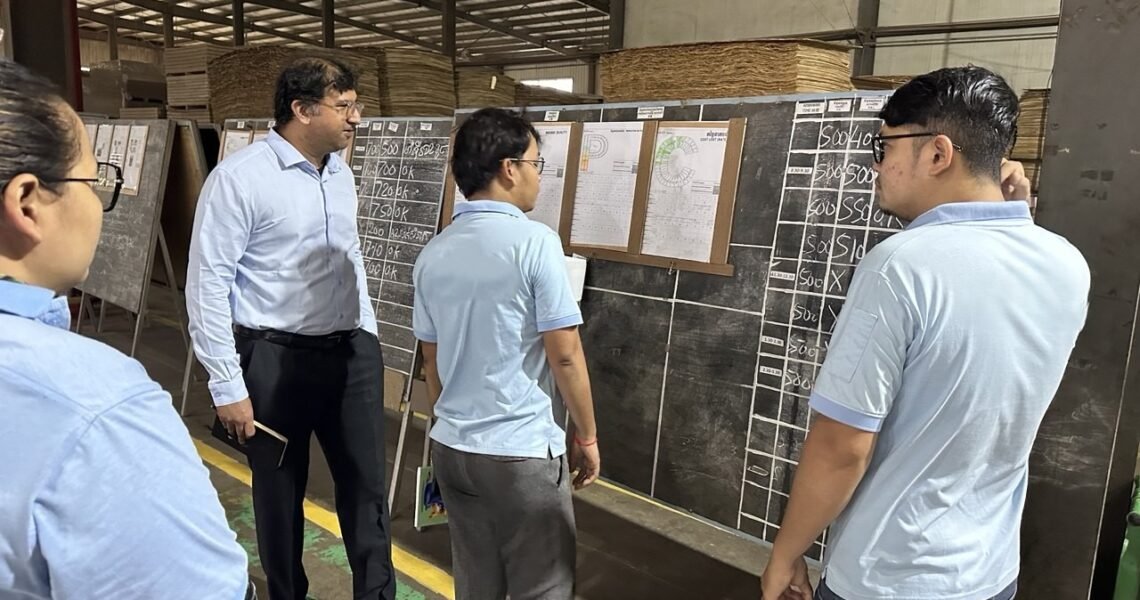
Walk into almost any well-run factory today and you’ll likely find it somewhere near the production line, a board covered in numbers, colored magnets, and hand-written notes that, at first glance, looks almost unremarkable. Look closer, though, and you’ll see the nerve center of the entire operation.
Shop Floor Management boards, built around a framework known as SQCDP, have quietly become one of the most practical tools in modern manufacturing. They track five things that every plant manager loses sleep over: Safety, Quality, Cost, Delivery, and People. Strip away the jargon and what you have is a daily snapshot of whether a factory is healthy or quietly heading toward trouble.
A Morning Ritual That Actually Works
Every morning, usually before the main shift gets into full swing, teams gather in front of the board for what’s called a daily huddle. It lasts maybe 15 minutes. Nobody sits down. The agenda runs itself.
Was anyone hurt yesterday? Are defect rates creeping up? Did the line hit its output target, or did it fall short, and if so, why? These aren’t comfortable questions, but the board forces them into the open before small problems have a chance to grow into expensive ones.
“The whole point is to stop managing by inbox,” one operations director at a consumer goods plant explained. “By the time an issue shows up in a report, it’s already three days old. The board keeps you in the present.”
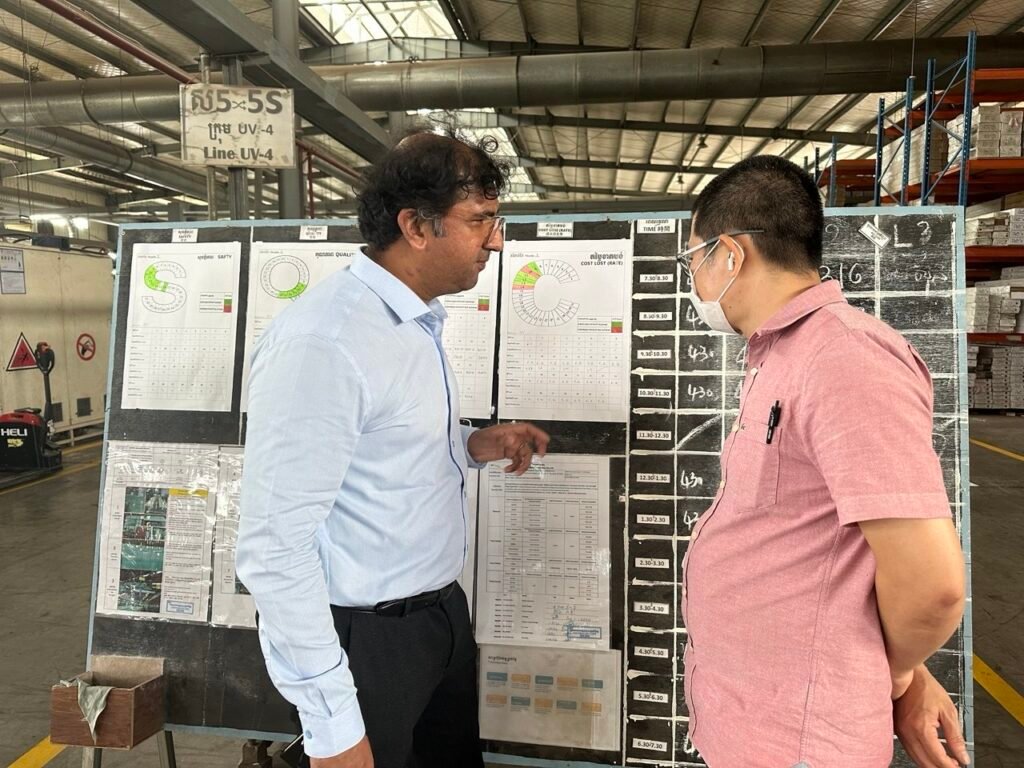
That sense of immediacy is what separates a well-run huddle from a routine status meeting. Managers aren’t there to hear numbers read aloud, they’re there to ask what’s blocking the team and what support they can offer before the day gets away from them.
What the Board Actually Tracks
The Safety section usually sits at the top, and rightly so. Incident-free days, near-miss reports, and protocol reminders are displayed where everyone can see them. In an era of tightening workplace regulations, having that data visible, rather than buried in a compliance folder, sends a clear signal about what the organization values.
Quality metrics sit alongside safety: defect rates, customer complaints, and First Time Quality scores that tell supervisors in a single figure whether products are being built right the first time. Cost and productivity data follows, with Overall Equipment Effectiveness, a measure of how efficiently a machine is actually running versus how efficiently it could be running, often the most scrutinized number on the board.
Delivery tracking shows whether the team is hitting its commitments. And the People section, sometimes overlooked, captures attendance, training progress, and employee suggestions, a quiet acknowledgment that the humans running the machines matter just as much as the machines themselves.
Turning Data Into Action
Numbers on a board mean nothing if nobody does anything about them. That’s why the most effective SFM boards dedicate real space to action planning, using a simple cycle, Plan, Do, Check, Act, to track who is fixing a problem and when they’ve committed to having it resolved.
There’s also a defined escalation path for problems too big for a team to solve on its own. Rather than letting an issue stall or quietly disappear, the board provides a structured route upward to management, making it harder for problems to fall through the cracks between shifts or departments.
Paper, Pen, or Pixels
Not every factory has gone digital, and not every factory needs to. A whiteboard and a set of markers can still do the job effectively, and for smaller operations, the low cost and simplicity are hard to argue with. The tradeoff is effort, someone has to update the numbers manually every day, and comparing trends across multiple sites becomes genuinely difficult.
Digital dashboards solve those problems by pulling data directly from production systems, updating in real time, and giving plant managers visibility whether they’re standing on the floor or sitting in a meeting on the other side of the world. As hardware costs fall, more manufacturers are making the switch.
But whether analog or digital, the board is only as good as the culture around it. The technology is almost beside the point. What matters is whether people actually show up, ask hard questions, and leave with a plan.